
The Truth About Lithium Batteries
If you’ve spent any time around boats, golf carts, RVs, or electric vehicles lately, you’ve probably heard a few strong opinions about lithium batteries. Some people swear by them, others swear at them, and almost everyone has a story they’ve “heard from a friend.”
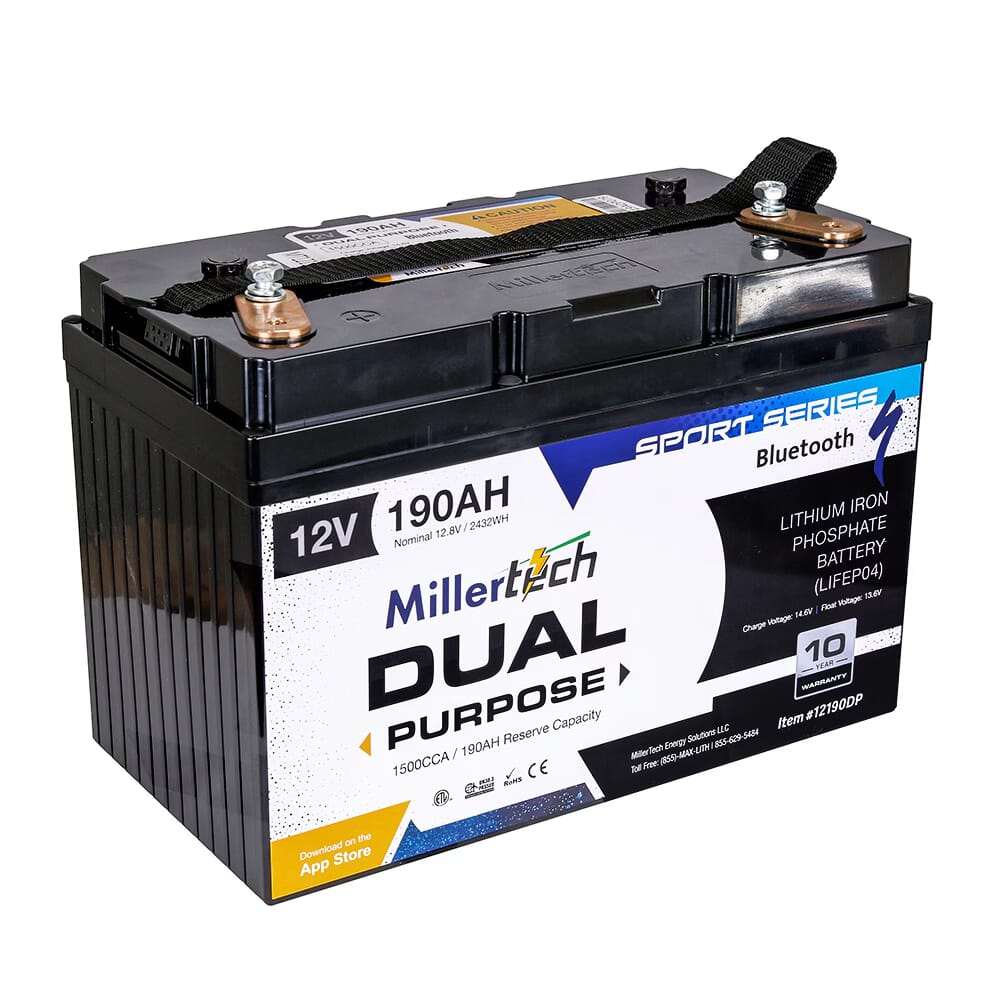
The truth is, lithium technology has come a long way, and a lot of what people still believe about it simply isn’t true. As someone who’s spent years in the fishing, outdoors, and power industries, I’ve seen firsthand how much misinformation still floats around. So today, I want to break down the most common myths and misunderstandings about lithium batteries, and show you why this technology, when done right, is changing everything.
Myth #1: Lithium batteries are unsafe or prone to catching fire
Yes, you’ve seen viral videos of battery fires from cheap e-bikes or knockoff devices. But what people don’t realize is that not all lithium batteries are created equal. Most of those incidents come from poorly designed, unregulated cells with little to no battery management protection.
A properly built lithium battery, like the ones used in marine, golf cart, and EV applications, includes a Battery Management System (BMS) that constantly monitors voltage, temperature, and performance. It shuts things down long before a problem ever becomes dangerous.
MillerTech batteries, for example, use LFP chemistry (Lithium Iron Phosphate), widely recognized as one of the most stable and safest lithium formulas on the market. Read more about Millertech’s safety priorities here.
Myth #2: Lithium batteries don’t last very long
This one might be the most ironic myth out there because lithium batteries actually outlast most traditional lead-acid batteries several times over. A good lithium battery can last 3,000 to 5,000 charge cycles or more. That means years of dependable performance, consistent voltage, and zero need for maintenance or watering. When you break it down by cost per cycle, lithium isn’t more expensive—it’s actually cheaper over time. MillerTech’s lithium systems are a perfect example, engineered for longevity and backed by advanced BMS technology.

Myth #3: Lithium batteries can’t handle cold weather
Cold weather affects any battery’s performance, but modern lithium systems use chemistry and management software that keep cells safe even in freezing temperatures. Many include low-temperature charging protection or heating elements. MillerTech batteries are tested in real-world conditions from the Midwest to the mountains, proving that engineered lithium performs regardless of climate.
